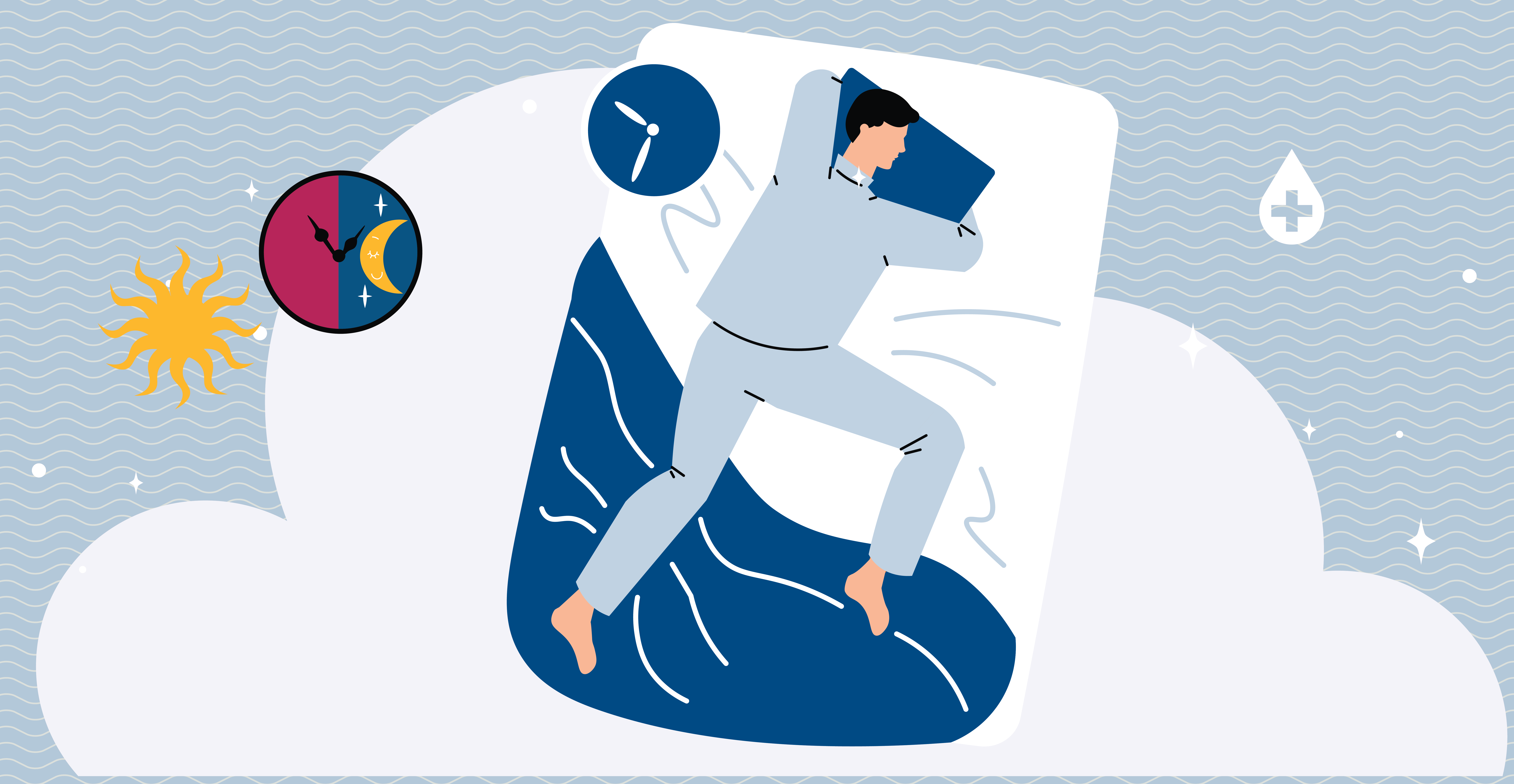
There is no substitute for getting a good night’s sleep, but it’s easier said than done.
Sleep is a critical process that allows the body to function and stay healthy. Without enough quality sleep our brains are not able to function properly. Doctors and scientists are just beginning to understand all the important ways that sleep affects our health and well-being.
Understand your bedtime routine
Sleep hygiene is the term used to describe healthy habits that you can practice during the day to help you get a good night’s sleep. The key to good sleep hygiene is consistency. Find out what tips work best for you and create your own sleep hygiene checklist to help you get the best sleep possible each night.
How much sleep do I need: Dr Rafael a Clinical Professor of Psychiatry and Behavioural Sciences and a Sleep Specialist at the Stanford Sleep Medical Centre in California, states that adults should get 7 – 9 hours of sleep each night and children 17 years and under need more sleep.
What are the health benefits of sleep?
- Improved mood, become more alert and increase your focus.
- Improved concentration, memory, and judgment.
- It helps to reduce the risk of developing serious health conditions (i.e. diabetes and heart disease).
- Helps create a healthier mind and body and increased immune function.
Causes of sleep deprivation
- Stress, anxiety, depression.
- Medical problems include sleeping disorders, pain, medications and weight gain.
- Stimulants i.e. coffee, alcohol, smoking.
- Noise
Our Top Ten Tips to Get a good night’s Sleep
- Getting up and going to bed at roughly the same time every day (including on weekends and free days) will help regulate your body clock. The suggested bedtime is from 10:30 pm.
- Exercise regularly and get daily exposure to the sun.
- Monitor your caffeine intake and other stimulants, particularly after 2 pm.
- If you’re feeling tired during the day, reduce your daytime naps to 30 minutes.
- Eat a light snack before bedtime instead of a heavy meal.
- Choose calming activities before bedtime such as listening to music, taking a bath, reading, stretching and meditation.
- Stress affects sleep, set aside 10-15 minutes before bed to write out the worries that are likely to interfere with sleep.
- Avoid bright lights and screens one hour before bedtime.
- Keep the room temperature cool and use blackout blinds.
- Use earplugs to drown out the noise, especially if your partner snores.
Guest blog post by Anne Costello – Inspire.
Resources
Useful links for sleep disorders and more information on Sleep:
*https://ukhealthcare.uky.edu/services/uk-sleep-disorders-
*https://www.inspirewellbeing.org/
Recommended reading:
Matthew Walker – Why We Sleep.
Useful Apps:
- Headspace
- Insight timer
- Calm